

Asthma is more than just a cough or wheeze—it’s a chronic lung condition that can significantly impact quality of life if not managed well. Whether you’re living with asthma, caring for someone who does, or just curious about how to support loved ones, understanding the condition is key. Let’s explore asthma symptoms, management tips, and why regular check-ups are essential for keeping it under control.
Recognising the Signs of Asthma

Asthma can present differently in everyone, but common symptoms include:
- Wheezing: A whistling sound when breathing, often during exhalation.
- Shortness of Breath: Feeling breathless or unable to catch your breath.
- Coughing: Persistent or worsening, especially at night or during exercise.
- Chest Tightness: A feeling of pressure or discomfort in the chest.
It’s important to note that these symptoms can vary in intensity and may come and go. If you or someone you know experiences these signs, it might be time to seek medical advice.
Why Regular Check-Ups Matter
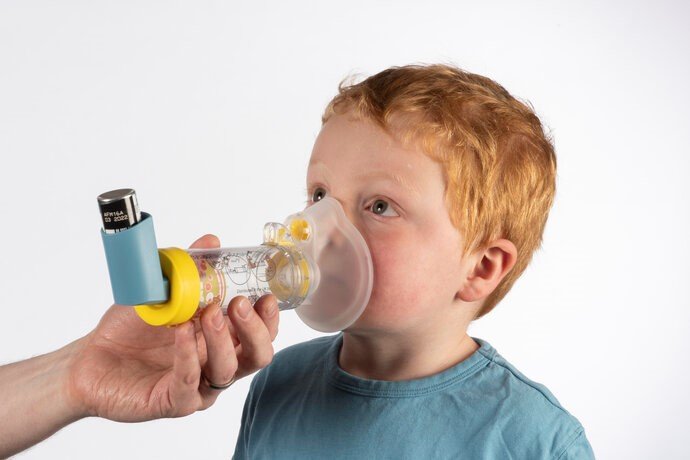
Managing asthma isn’t just about responding to symptoms; it’s about staying ahead of them. Regular check-ups with your GP can help:
- Monitor lung function. A simple lung assessment test called spirometry can help.
- Adjust medications as needed.
- Update your asthma action plan to reflect any changes.
- Provide education on proper inhaler techniques.
If you haven’t had an asthma review recently, consider scheduling one. At Panaceum , we’re here to support you with your personalised asthma care and advice.
Tips for Managing Asthma
Here are some simple yet effective ways to keep asthma under control:
- Avoid Triggers:
Common asthma triggers include dust, pollen, smoke, strong odours, and even stress. Knowing and avoiding your triggers can help reduce flare-ups. - Use Inhalers Correctly:
Proper inhaler technique ensures the medication reaches your lungs effectively. If you’re unsure, ask your GP or pharmacist for a quick demonstration. - Follow Your Asthma Action Plan:
This personalised plan outlines what to do during an asthma attack and how to adjust treatment when symptoms worsen. - Stay Active:
Physical activity can improve lung capacity, but it’s important to manage exercise-induced symptoms with pre-treatment medication, if needed. - Keep Vaccinations Up to Date:
Flu and COVID-19 can exacerbate asthma. Vaccinations offer an added layer of protection.
Know When to Seek Help

Asthma emergencies require immediate attention. If someone experiences severe shortness of breath, can’t speak more than a few words per breath, are working hard to breathe, or their lips/fingernails turn blue, call an ambulance right away.
Take the Next Step
Asthma doesn’t have to limit your life. With the right care and management, it’s possible to live fully and breathe freely. If you or your loved ones have questions about asthma or need a check-up, visit Panaceum . Our team is ready to guide you towards better asthma control.
Take charge of your asthma today—you’ve got this!